Hypertrophy means building bigger, stronger muscle fibers. For beginners, it drives visible changes in shape, strength, and metabolism. You do not need endless hours. You need a clear plan, the right volume, and consistency. Start here to lift smarter and see steady progress.
What Is Hypertrophy Training?
Hypertrophy training uses progressive overload to force muscles to adapt. You gradually lift more total work over time by increasing load, sets, or reps. Volume matters most for growth, measured as hard sets per muscle per week. Target 8 to 12 hard sets per muscle across 2 to 3 sessions. Moderate rep ranges of 6 to 15 with steady tempo create tension and metabolic stress that drive growth. Recent studies support volume and training near failure as key drivers of hypertrophy (Schoenfeld et al., 2021; Grgic et al., 2022). Track weights and reps to keep overload honest.
BFT’s Hyper Session: Built for Muscle Growth
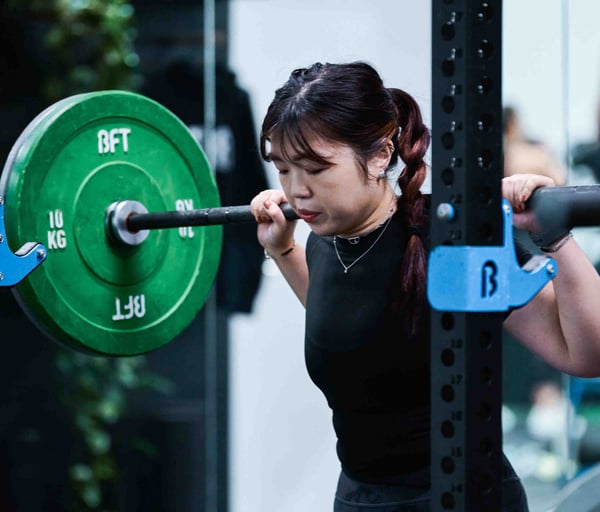
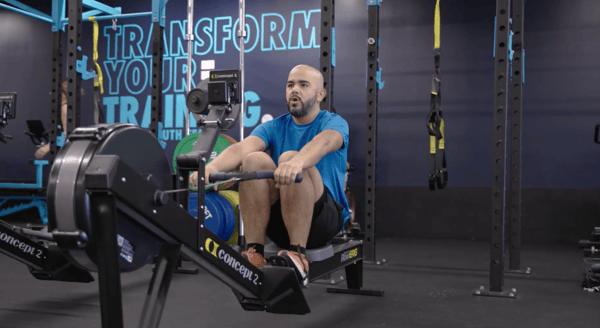
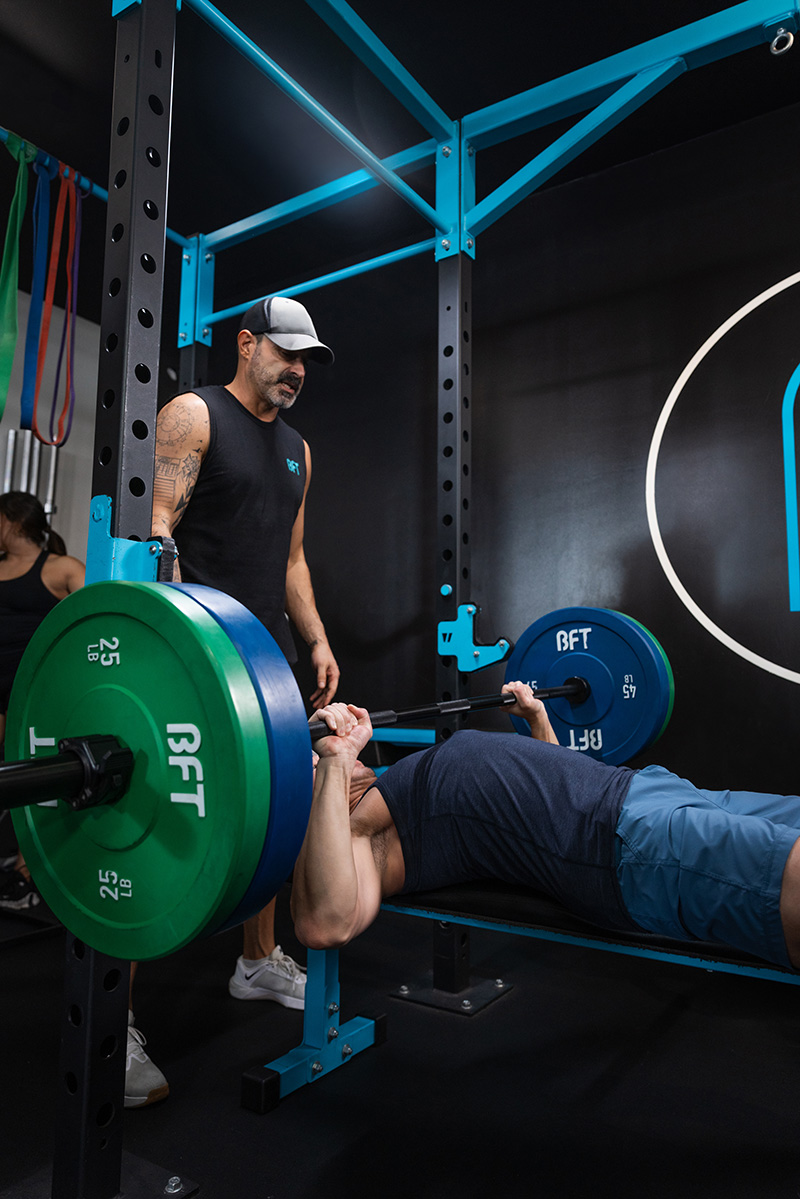
BFT Hyper is a coach-led hypertrophy session built to add muscle with purpose. Programming focuses on major movement patterns with accessory work to fill gaps. Expect moderate loads, higher total sets, and rep targets in the 6 to 15 range. Coaches cue tempo and full range to maximize tension, set rest windows to manage fatigue, and help you choose loads that keep 1 to 3 reps in reserve. The session structure repeats key lifts across the training block so you can progress week to week. You log weights, aim to add small increments, and refine technique. New to lifting? Coaches scale exercises, set up safe spotting, and guide you through smart baseline testing.
Getting Started: Tips for Beginners
Simple habits drive faster gains:
- Train consistently. Book 2 to 3 BFT sessions per week alternating between Hyper, Strength and Pump. Protect those times like meetings.
- Leave 1 to 3 reps in reserve on most sets. Push hard without missing reps so you can progress to the next set.
- Eat for growth basics. Aim for protein at every meal, roughly 1.6 to 2.2 grams per kg body weight per day plus a slight calorie surplus.
- Sleep 7 to 9 hours. Muscle grows between classes. Short naps help if nights run short.
- Track loads. Use an app or a notebook to record weights and reps so overload is clear.
First Class Free*
Ready to build muscle the smart way? Find a BFT studio near you and book a free Hyper class this week to start progressing with clear coaching and structured programming.