Most people start a fitness routine with high energy and clear goals. A few months later, the majority have stopped showing up. The problem is rarely a lack of motivation or a bad workout plan. The real issue is choosing a training style that does not fit your actual needs. Deciding between group fitness, personal training, and solo training is not just a lifestyle preference. It is a choice that directly impacts whether you will still be training six months from now.
Quick Comparison Breakdown
Open Gym
- Flexibility: High (train on your own time)
- Accountability: Low (100% self-driven; ~50% drop out rate)
- Best For: Self-motivated lifters with established technique
Personal Training
- Flexibility: Moderate (requires scheduling with a trainer)
- Accountability: High (1-on-1 direct coaching)
- Best For: Rehabilitation, highly specific goals, high budget
Group Fitness (Body Fit Training)
- Flexibility: Moderate (set session schedule)
- Accountability: High (69%–75% adherence rate through group dynamics)
- Best For: Science-backed programming, community support, long-term habit building
What You're Actually Choosing Between
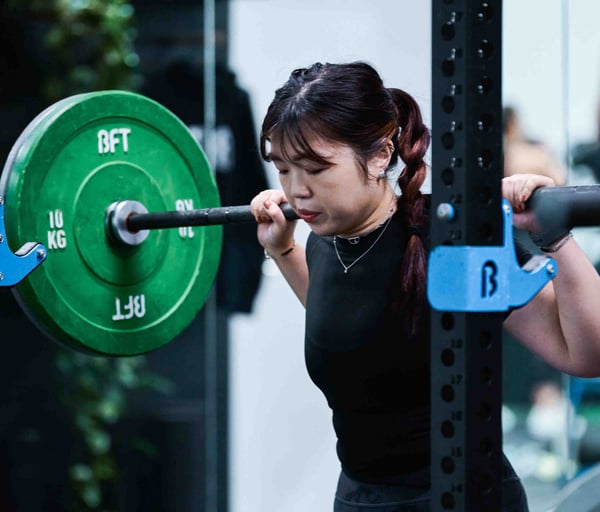
Open gym: Offers complete flexibility. You choose the time, the exercises, and the pace. You are entirely in charge of your own schedule and progress.
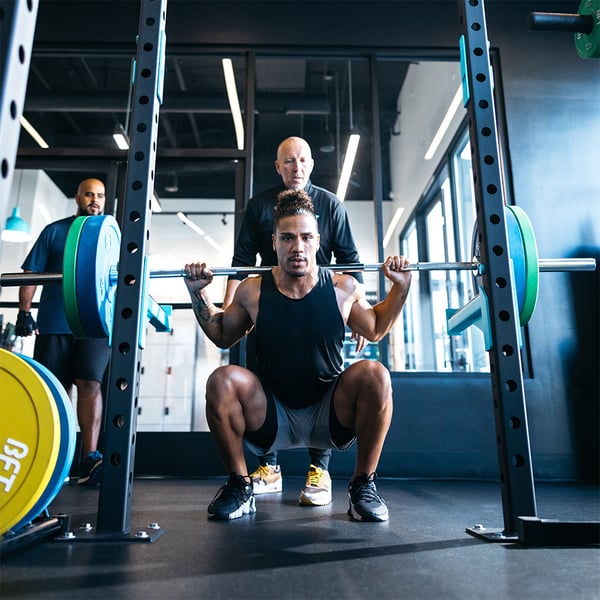
Personal training: Provides ultimate customization. A coach builds a program specifically for your body and goals. You get undivided attention and expert guidance during every minute of your session.
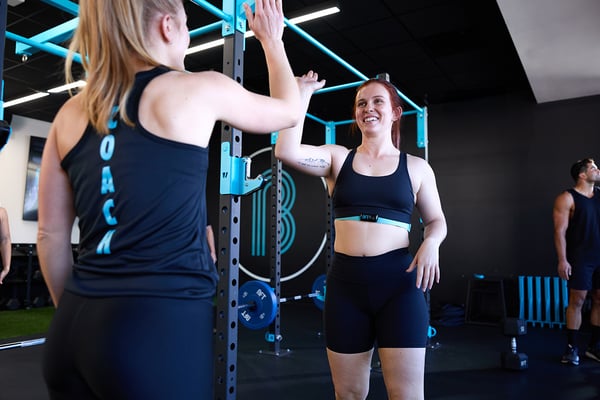
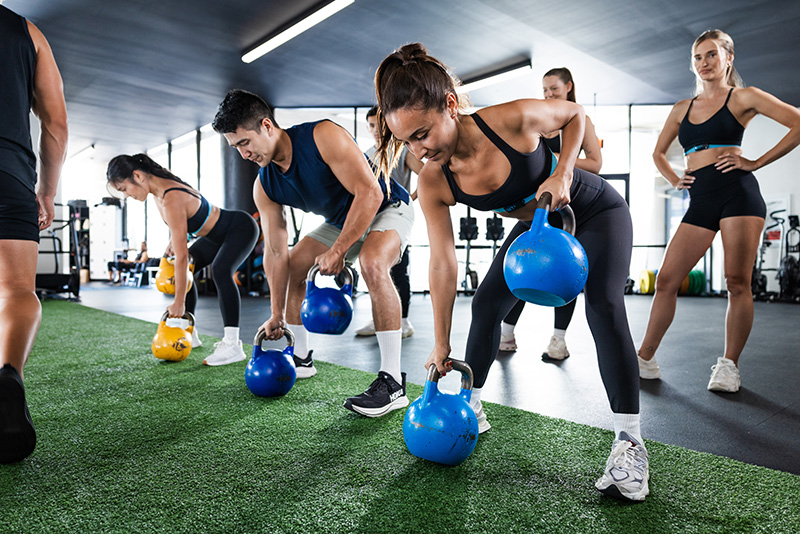
Group fitness: Delivers built-in structure. You show up at a set time, follow a planned workout, and train alongside others. It removes the guesswork and relies on a shared environment to keep you moving.
Where Each One Falls Short
Every approach has a genuine downside. When you train alone, the flexibility often leads to inconsistency. It is too easy to skip a day, cut a workout short, or avoid exercises you dislike.
Personal training solves the consistency problem but creates a financial barrier. The high cost of one-on-one coaching makes it difficult for most people to maintain multiple sessions a week over a long period.
Group fitness can sometimes lack individual focus. Because the coach is managing a room full of people, you will not get the constant, personalized technique correction that a private trainer provides. You also have to adapt to the studio schedule rather than training exactly when you want.
The Accountability Variable
Long-term fitness success comes down to one primary factor: accountability. It matters more than the quality of your programming, the cost of your membership, or the equipment you use. While unsupervised solo exercisers experience dropout rates as high as 50% (Linke et al., 2011; Shin & Kim, 2021) within the first six months, industry data and clinical research consistently show that structured support changes those odds. In fact, systematic reviews demonstrate that group-based exercise programs achieve six-month adherence rates between 69% and 75% (Killingback et al., 2017).
Accountability is what gets you through the door when motivation fades. When you train by yourself, nobody notices if you stay home. Structured group training changes that dynamic. You book a specific session time, a coach expects you to show up, and you work alongside people who share your routine. That external expectation is the variable that turns a short-term effort into a lasting habit.
Who Each Approach Is Actually For
Open gym: Best for highly self-motivated individuals with a strong background in fitness. If you have the discipline to follow a program without external pressure, this is the most flexible option.
Personal training: Right choice if you are recovering from a significant injury or have a highly specific athletic goal. It is ideal for those who need constant supervision and have the budget to support it.
Group fitness: Is for people who want expert programming and consistency without the high cost of private training. It works best for those who thrive on routine and need a reason to show up. Body Fit Training fits this profile by offering coach-led, science-backed sessions in a structured studio environment.
Find a Body Fit Training studio near you and book your first session to see if our approach works for you.